

February 6, 2026
Lighting is a critical component of interior design, significantly influencing the aesthetics, mood, and functionality of spaces. A well-designed lighting plan can transform ordinary rooms into luxurious spaces, each fixture contributing to the harmony and feel of the environment. Lighting plays a pivotal role in how colors appear within a room, which further impacts the overall design and experience of the space. Whether in a home or office setting, the strategic use of lighting enhances not only visual appeal but also practical usability of the area. Many remodeling companies emphasize the importance of lighting when planning interior renovations, ensuring every room feels cohesive and functional.
Not only does good lighting elevate a room's visual appeal, but it also serves an essential function. Proper lighting can improve productivity in workspaces and make everyday tasks easier to perform. According to Marymount University, three main benefits of using lighting effectively in interior design include elevating mood, boosting productivity, and highlighting architectural features. By highlighting the positive attributes of a space and minimizing its flaws, lighting can create an atmosphere that is both enjoyable and conducive to its intended uses. Consequently, those involved in interior design, whether professionals or enthusiasts, need to appreciate the profound impact that lighting can have on a space. Remodeling companies often integrate lighting plans early in the design process to achieve optimal results.
The Basics of Interior Lighting
Understanding Different Types of Lighting
Interior lighting can be categorized into three main types: ambient, task, and accent lighting. Each serves a specific purpose and plays a unique role in enhancing the design of a room. Ambient lighting provides general illumination, covering the entire space and allowing for safe movement. It’s the primary source of light that sets the overall tone and mood of a room. Task lighting, on the other hand, focuses on specific areas where activities such as reading, cooking, or working are performed, enhancing productivity and reducing eye strain.
Accent lighting is utilized mainly for aesthetic purposes, drawing attention to particular features within a space. This could involve highlighting artwork, architectural elements, or specific parts of a room to add depth and interest. Together, these three types of lighting create a comprehensive lighting scheme that enhances both the functionality and aesthetics of interior spaces. Understanding the interplay between these types is crucial for those wishing to create a well-balanced and visually appealing environment.
The Function of Lighting in Interior Spaces
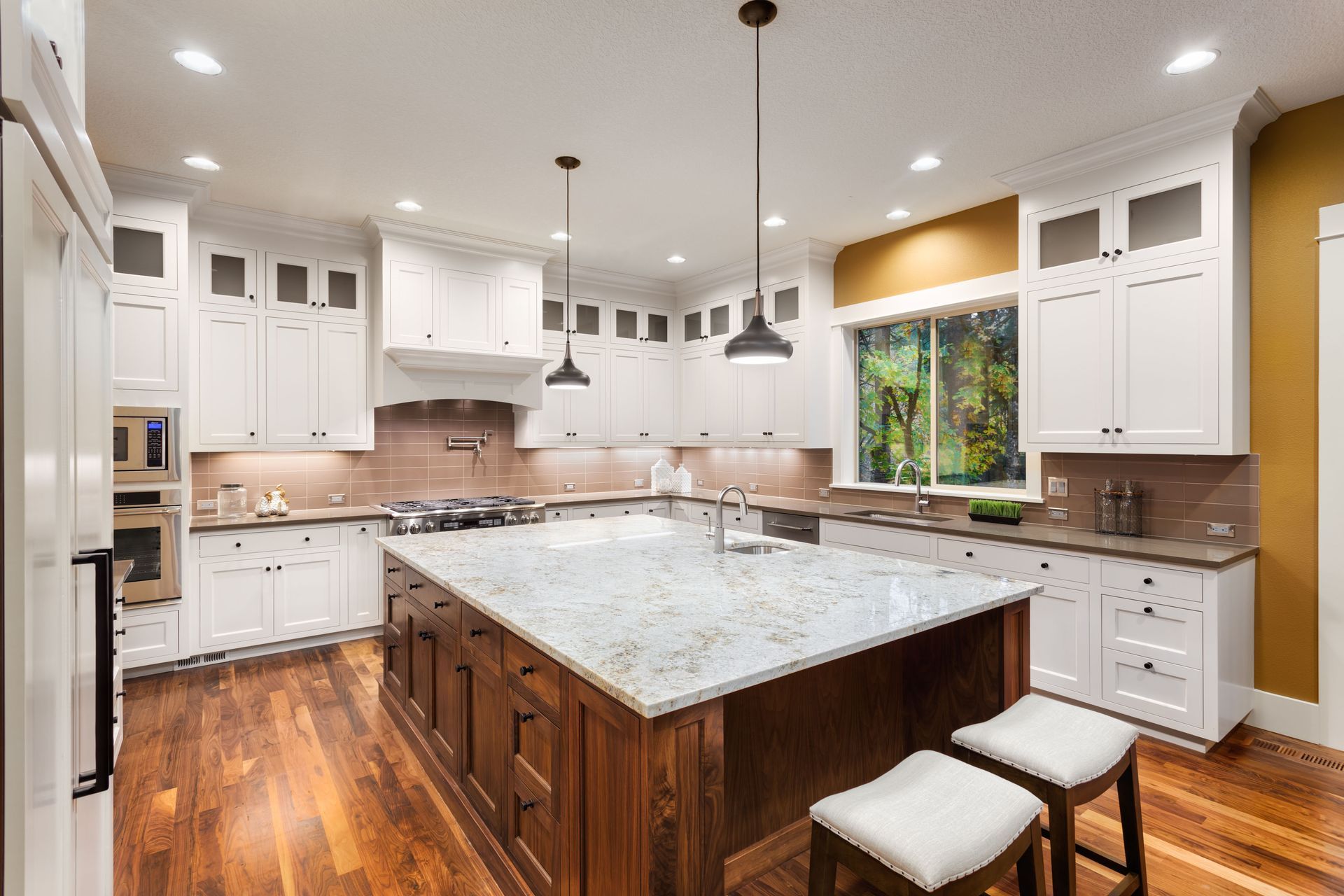
The primary function of lighting is to ensure comfort and safety by providing adequate illumination for various tasks and activities performed in any space. The way a space is illuminated can either enhance or hinder its functionality, making the role of strategic lighting essential. For instance, kitchens and offices require ample task lighting to improve efficiency and precision, whereas living rooms may benefit more from ambient lighting to create a relaxing and inviting atmosphere. Thus, an understanding of lighting needs tailored to each space’s function is crucial. Remodeling companies often incorporate this knowledge when planning renovations to ensure each space serves its purpose efficiently.
Effective lighting design encompasses flexibility, allowing for adjustments according to changes in activities or times of day. Smart lighting solutions offer an impressive range of control for adjusting brightness, color temperature, and even colors to suit various needs. As our usage patterns evolve throughout the day, having flexible lighting setups becomes increasingly crucial for comfort and efficiency. This adaptability ensures that lighting not only serves its basic function but also enhances the user experience.
How Light Influences Color and Texture
Lighting significantly influences how colors and textures are perceived within a space. The interaction between artificial and natural light and interior color schemes can dramatically alter the appearance of a room. Natural light tends to have a softer, more diffuse quality that affects how colors are displayed, often making them appear more vibrant. Artificial light, depending on its color temperature and brightness, can either enrich or dull colors, leading to different visual outcomes. Consequently, selecting the right type of lighting is pivotal to achieving the desired aesthetic effect.
Lighting plays an integral role in texture perception, impacting the visual depth and richness of materials. Under certain lighting, textures may appear more pronounced, casting shadows and highlighting surface variations. Conversely, soft light can minimize texture visibility, creating a smooth and seamless look. Careful consideration of how lighting will interact with colors and textures within a space is crucial in interior design to ensure harmony and enhance the overall visual impact. Remodeling companies can assist in selecting lighting that complements material choices for optimal visual effect.
Types of Light Fixtures and Their Uses
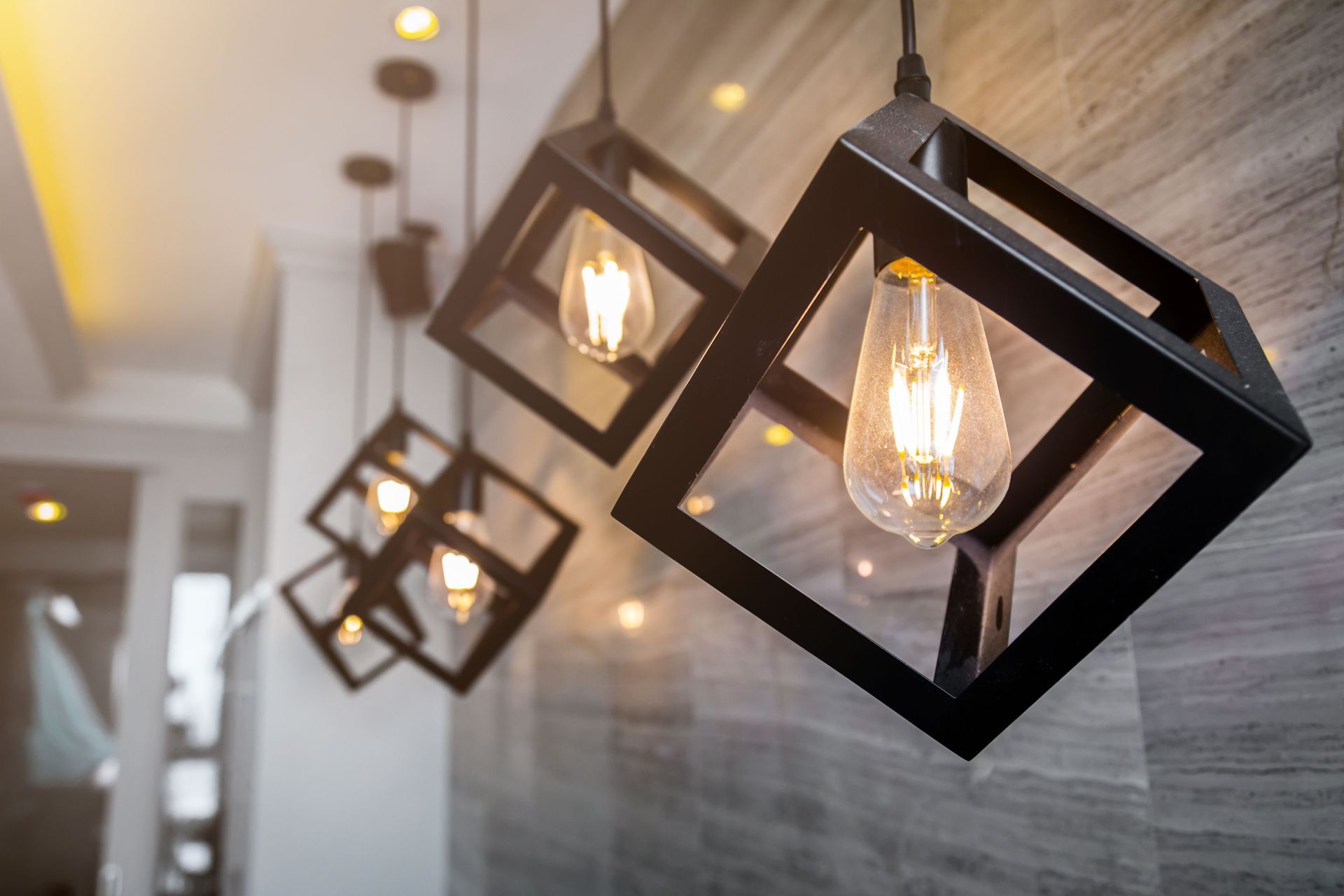
Choosing the appropriate light fixtures is a fundamental aspect of effective interior lighting design. Common types of light fixtures include chandeliers, pendants, wall sconces, recessed lighting, track lighting, and floor and table lamps. Each fixture offers unique advantages and is typically suited to specific functions and locations within a space. Chandeliers and pendants, for instance, are often used in dining areas or entryways to create a focal point and deliver ambient light, while recessed lighting provides subtle illumination without intruding on room aesthetics.
The Effects of Ambient Lighting
Defining Ambient Lighting
Ambient lighting, often described as general lighting, is fundamental to creating a comfortable and inviting environment within any space. It provides overall illumination, allowing people to move around safely and comfortably without the need for task-specific lights. This form of lighting serves as the foundational layer upon which other lighting types, such as task and accent lights, are built. It typically involves fixtures like ceiling-mounted or recessed lights that distribute light evenly throughout the room. By establishing a base level of brightness, ambient lighting sets the stage for the room’s mood and functionality.
A well-designed ambient lighting scheme can play a transformative role in setting the tone and atmosphere of a space. By altering the intensity and hue of ambient light, you can influence how people perceive and interact with the environment. For example, warm light tones can impart a cozy and welcoming feel, while cooler tones may lend a more energetic or focused atmosphere. Ambient lighting's role in mood setting makes it a critical consideration in both residential and commercial interior design, where ambiance greatly impacts users' experiences and activities. Many remodeling companies emphasize proper ambient lighting to enhance living spaces effectively.
The Role of Ceiling Fixtures and Chandeliers
Ceiling fixtures and chandeliers are quintessential elements in ambient lighting, serving both decorative and functional purposes. These fixtures often act as focal points, defining the style and character of a room while providing necessary illumination. Chandeliers, with their visual impact and aesthetic appeal, are commonly used in dining rooms and entryways, where they set a tone of elegance and luxury. Similarly, ceiling fixtures can vary from minimalist designs for modern spaces to ornate styles for traditional interiors, serving as versatile options for ambient lighting.
Lighting is a cornerstone of effective interior design, influencing mood, functionality, and visual appeal. From ambient and task lighting to the careful selection of fixtures, every decision plays a role in creating spaces that are both beautiful and practical. Proper integration of lighting not only enhances aesthetics but also improves productivity, comfort, and well-being. Remodeling companies understand the impact of lighting on a home’s overall design and work to implement solutions that elevate spaces to their full potential. By thoughtfully incorporating various lighting techniques, homeowners and designers alike can achieve interiors that are harmonious, inviting, and timeless. For more information about elevating your home, contact Haus Studio.