

March 4, 2026
Explore the latest design trends that are shaping contemporary remodeling projects. From sustainable materials to smart home technologies, discover how these trends are influencing home transformations worldwide. As homeowners seek to personalize their living spaces, trends reflect the growing demand for innovative solutions that are both functional and aesthetically pleasing. The modern home remodel is no longer just about aesthetics but also about creating versatile spaces that cater to evolving needs. Let's delve into these transformative trends that are defining today's home remodeling projects.
1. Sustainability and Eco-friendly Materials
Sustainability has become a cornerstone in modern design, with more homeowners opting for eco-friendly materials in their remodeling projects. Recycled and reclaimed materials, such as salvaged wood or recycled metal, not only reduce environmental impact but also add a unique character to any home. Energy-efficient appliances are now a standard expectation in contemporary homes, significantly reducing energy consumption and utility bills. Low-VOC paints and finishes contribute to healthier indoor air quality, aligning with the growing focus on creating healthier living environments. Furthermore, the integration of solar panels has emerged as a popular choice among homeowners, promoting renewable energy usage.
As the focus on sustainability intensifies, the range of available eco-friendly flooring options continues to expand. Homeowners can choose from materials such as bamboo, cork, and linoleum, which are both durable and environmentally conscious. Additionally, these materials can be complemented with innovative designs to enhance the home's aesthetic appeal. Sustainability extends beyond materials, influencing the entire design philosophy. By implementing sustainable practices, homeowners contribute to a more resilient environment while enjoying beautifully designed, functional homes.
The adoption of sustainable materials highlights a larger shift towards mindful living, where the impact on the planet is considered alongside personal design preferences. This trend reflects a societal change where consumers prioritize longevity and environmental responsibility. By blending the old with the new, homeowners are creating eclectic spaces that tell a story while supporting sustainability efforts.
2. Open Floor Plans
In the evolution of home design, open floor plans have taken center stage by facilitating a seamless integration between spaces. The combination of kitchen, dining, and living areas creates an expansive environment that promotes interaction and connectivity within the home. Minimalist furniture and decor complement this design style, fostering a sense of openness and streamlining the visual flow. Adaptive space design further enhances versatility, allowing spaces to be easily reconfigured for different purposes. As a result, homes can evolve with the changing needs of their inhabitants, providing lifelong value.
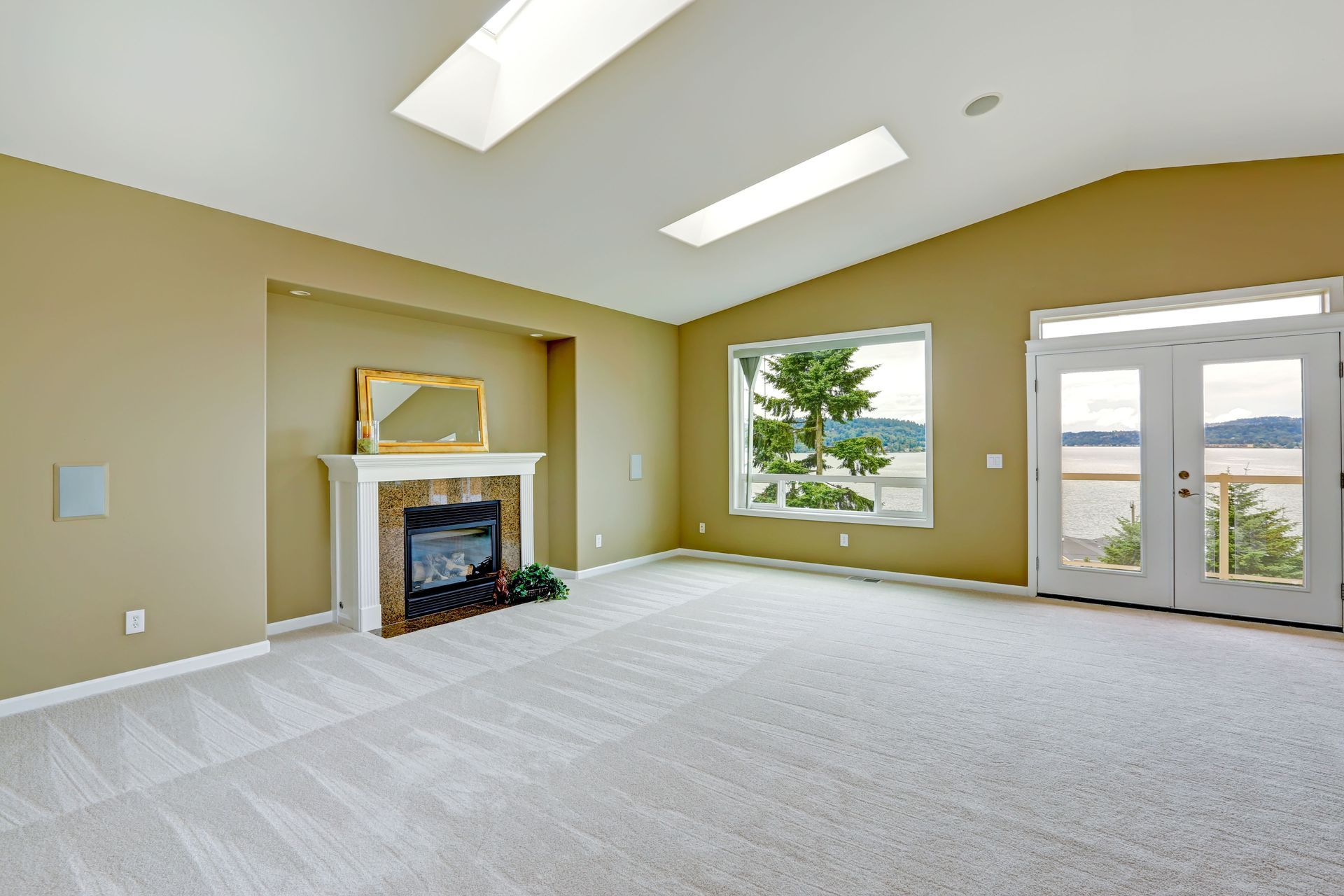
The incorporation of indoor-outdoor flow is another important trend in open floor plan design. This involves creating transitions between interior and exterior spaces through the use of large windows, sliding doors, and outdoor living areas. Not only does this approach maximize natural light within the home, but it also extends the living area into nature, creating a continuous flow. Glass and transparent dividers further enhance this effect, allowing spaces to be defined without losing the openness. Homeowners are embracing these elements to create multifunctional homes that feel light, airy, and connected to their surroundings.
The remodeling industry has adapted to these trends by offering creative solutions to make open floor plans both functional and beautiful. The use of sustainable and vintage materials adds depth and history to modern designs, enhancing their appeal. As more homeowners seek antiques and collectible pieces to complement their spaces, a balanced blend of old and new is achieved. The choice of bold or neutral colors, along with textured finishes, personalizes the space, ensuring it matches the homeowner's unique style. Ultimately, open floor plans offer endless possibilities, promoting flexibility, innovation, and a sense of unity within the home.
3. Smart Home Technology
The rapid advancement of smart home technology has revolutionized how spaces are remodeled in today's digital age. Automated lighting systems can adjust according to the time of day or user preferences, optimizing energy use and enhancing comfort. Smart thermostats learn household patterns, automatically adjusting settings to save energy while maintaining optimal living conditions. Integrated security features such as smart locks, cameras, and alarm systems ensure both safety and convenience, providing homeowners with peace of mind. These technologies represent a shift towards homes that not only cater to modern lifestyles but also promote sustainable living through efficiency.
Voice-controlled devices, such as those powered by AI technology, have enhanced user experience by offering seamless control over various home functions. From adjusting lighting and temperature to managing entertainment systems, simply speaking a command can lead to immediate results. Meanwhile, high-tech kitchen appliances are also gaining popularity, where smart refrigerators and ovens offer unprecedented levels of convenience and connectivity. With these innovations, home remodeling isn't merely about visual updates but about integrating advanced technology that streamlines daily life. This shift underscores a deeper trend towards creating intelligent environments that respond to occupants' needs.
4. Natural Elements and Biophilic Design
Incorporating natural elements into home design is gaining momentum, driven by the biophilic design movement, which emphasizes the human connection to nature. The inclusion of houseplants is a simple yet highly effective way to bring the outside in, improving air quality and adding vibrant life to interiors. Maximizing natural light through thoughtfully positioned windows and doors enriches the home's ambiance and supports well-being. The use of natural textures, such as wood, stone, and fibers, lends both visual and tactile appeal, creating a calming and restorative environment. These elements embody a return to nature, fostering spaces that promote tranquility and relaxation.
Water features, such as indoor fountains or small ponds, are becoming popular installations in homes aiming for a serene atmosphere. These features introduce the soothing sound of flowing water, contributing to a peaceful setting while also purifying the air. Living walls and green roofs are taking root as dramatic expressions of biophilic design, creating lush, verdant spaces that connect inhabitants with nature. Such designs highlight the importance of sustainability, utilizing plants to insulate homes, clean air, and create sustainable green spaces. These biophilic elements transform traditional interiors, turning homes into environmental havens that nurture both body and mind.
The movement towards incorporating natural elements in design extends beyond scenic beauty to establish an emotional resonance within spaces. By embracing materials and elements that reflect the organic world, homeowners create environments that inspire and rejuvenate. Integrating antiques and historical pieces also plays a role in this trend, echoing a time when craftsmanship valued natural materials. By melding these elements with biophilic design, homeowners achieve a harmonious blend that is both contemporary and comforting.
5. Bold Colors and Textures
Bold colors and textures have surged as a dynamic trend, transforming traditional spaces into expressive, captivating environments. Accent walls featuring bright hues or bold patterned wallpaper serve as focal points, adding drama and personality to a room. Textured wallpaper is making a comeback, offering innovative ways to add depth and visual intrigue to otherwise flat surfaces. Statement ceilings utilize striking designs or colors to draw the eye upward, making a compelling design statement. Upholstered furniture, featuring vibrant geometric patterns, further contributes to an eclectic and visually engaging home environment.
Vibrant tile options present another opportunity to infuse spaces with spirited energy. From colorful backsplashes in the kitchen to intricate flooring designs in the bathroom, tiles introduce an element of artistry to functional spaces. This trend reflects an eagerness to break away from tradition, as homeowners experiment with unique design features that challenge conventional norms. Bold colors and textures encourage creativity, empowering individuals to personalize their homes. These design choices are about creating impact and expressing individuality, resulting in a home that reflects the occupant's unique taste and personality.
As home design trends continue to evolve, the need for innovative, functional, and aesthetically pleasing remodeling projects grows. By embracing these cutting-edge trends, homeowners and designers can create spaces that are modern, efficient, and reflective of personal style. Whether prioritizing sustainability or integrating the latest smart technology, these trends are setting the stage for the future of home design. The integration of antiques and collectibles adds a unique layer of character and history, connecting past with present. Ultimately, these evolving trends offer endless potential to inspire creativity, resulting in homes that are as dynamic and multifaceted as the lives of their occupants. For more information about the services that we offer, reach out to our incredible team at Haus Studio today!